

O 7 de novembro, Gustavo Glaser lança seu novo EP homônimo, disponível em todas as plataformas de streaming. Mineiro de Belo Horizonte, Gustavo construiu sua trajetória musical com dedicação ao indie rock e experimentações próprias, agora vivendo em Berlim e trazendo uma maturidade sonora impressionante.
Este EP, com 12 minutos de músicas densas e plurais, é um retrato do artista como compositor, intérprete e produtor.
Tivemos o grandíssimo prazer de conversar com Gustavo em uma entrevista exclusiva para Divergent Beats, com dez perguntas sobre o processo criativo e sonoro deste projeto.
Entrevista
1. Gustavo, esse EP parece um autorretrato sonoro. É como se cada faixa fosse um fragmento de você. Em que momento você sentiu que estava pronto para “colocar o seu rosto no mundo”?
Gustavo: Acho que isso foi sendo construído desde o início da concepção do EP. Eu tenho composições acumuladas desde 2020 mais ou menos e no início do ano passado eu fui vendo quais músicas eu ia finalmente finalizar de gravar e produzir. Assim, fui selecionando músicas e fui também vendo quais músicas faziam mais sentido entre si.
Sinceramente, esse EP as músicas são bem diversas entre si não tendo uma conexão conceitual (apesar q em sonoridade tem né, e na temática acaba que circunda muito a temática de amor romântica). Mas abracei isso e, olhando pra diversidade que tinha, meu propósito foi de aceitar a natureza de cada música e explorar elas na gravação, produção e mix.
E pensando o que isso significa pro meu momento de carreira eu vi que demonstra muito quem eu sou e fui construindo nos últimos anos – desde os momentos que fiz as composições e o que tava me influenciando, até o tanto de música que eu ouvi e que foi moldando meu repertório de ideias pra arranjar e produzir as faixas do EP
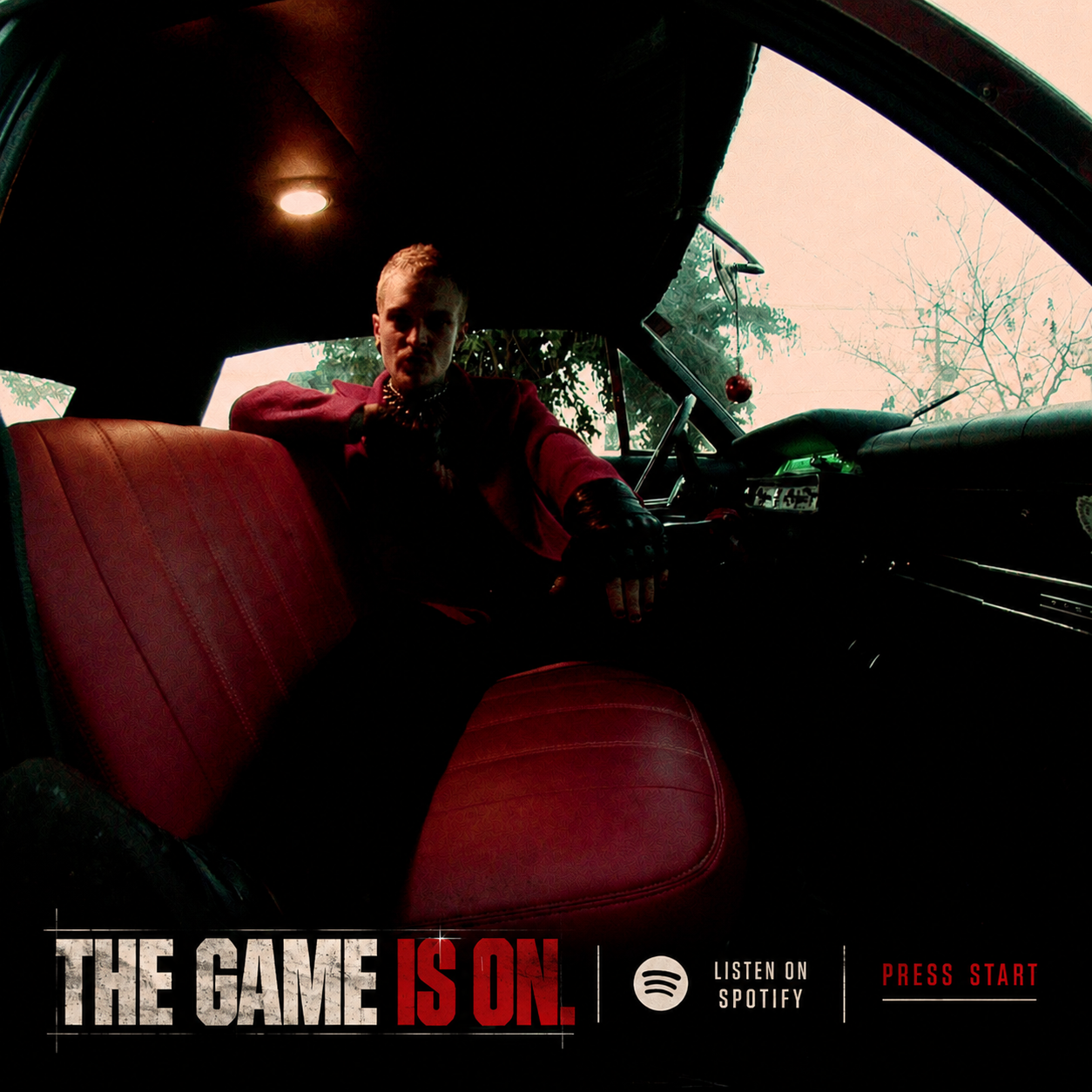
.Então, tendo esse significado do trabalho em vista, e como é um EP que me relança né no cenário musical, eu achei justo colocar mais meu rosto no mundo também. Estou me mostrando e mostrando quem eu sou (até este momento de agora). Isso reflete na capa e no nome do disco. Porque antes desse lançamento, com meu primeiro EP ‘Futuros Incertos’ eu nunca explorei divulgar quem eu era, não trabalhei nisso.
E com os lançamentos dO Cerne, nós éramos um quarteto né, a atenção era para a banda. Então agora eu achei que seria um ótimo momento e justíssimo lançar de verdade meu rosto e quem eu sou no mundo.
2. “De Outra Vez” abre o EP com um tom quase lennoniano, mas profundamente brasileiro. Você se lembra de como essa música nasceu?
Gustavo: Antes de vir pra Berlin eu morei por 10 meses em Lisboa. E lembro muito que essa música surgiu nos meus últimos meses lá. Tinha ouvido muito “Mil Coisas Invisíveis” do Tim Bernardes, tava ouvindo muitas bandas do momento também como Exclusive Os Cabides e tinha visto a poucos meses atrás o documentário dos Beatles “Get Back” (mas no geral é inegável o quanto Beatles me influencia criativamente de uma maneira direta ou indireta, quando era criança e adolescente ouvi demais demais e às vezes ainda ouço e sempre apreendo algo novo deles).
Enfim, era um momento da vida cheio de mudanças (sair do Brasil e agora sair de Portugal), incertezas e apostas. E a música ser de teor romântico e sobre processar um término é genuíno rs. Eu tinha passado por um relacionamento longo e muito significativo antes de vir pra Europa. Quando compus ela, eu tava na sala do apartamento que eu morava brincando no violão e os acordes vieram com a melodia, igual às vezes vem do nada uma ideia assim.
Gravei no celular pra não perder e desenvolvi um esboço de letra (mas já bem encaminhada, eu tava em dúvida em aumentar a estrutura da música até tentei escrever um verso a mais mas aceitei o tamanho dela achando que ela já passava a mensagem com força mesmo que curta e não muito usual). Essa canção me veio como um sinal mesmo de conseguir ressignificar aquela relação com todo seu carinho, admiração e gratidão pelo encontro e por essa pessoa. Portanto essa música e isso que passei com ela foi muito importante pro momento que eu vivia.
Na minha cabeça eu tinha já a bateria com muita clareza o que eu queria e a guitarra mais ou menos também (as mais distorcidas, apesar de não ter certeza se ia ficar legal). Foi na hora de gravar de verdade que experimentei e desenvolvi as ideias, e daí foi isso. O baixo foi feito meio na hora também, e o arranjo de cordas foi desenvolvido em outro momento meio como surpresa, porque eu de início não imaginava cordas na música mas acabei testando e gostei (mesmo não sendo elementos principais na produção, dá um ar mais delicado e uma textura de leve drama que compõe bem no geral).
3. O disco tem uma transição lindíssima — do indie folk à eletrônica, até chegar em sonoridades mais orquestrais. Foi um processo natural ou você queria mesmo mostrar essa pluralidade do seu lado artista e produtor?
Gustavo: Foi natural mas também intencional como essa transição ao longo do EP se deu. Como as músicas são diversas entre si né, foi meio um quebra-cabeça pra mim definir qual seria o melhor jeito delas se disporem em sequência no EP – o que ia fazer mais sentido ou o que ficaria mais legal. Então, primeiro, com as músicas já gravadas e no início do processo de mixagem, eu achei a ordem das músicas que faria “mais sentido” (pra mim).
Através disso eu fui desenvolvendo na mix de cada faixa (respeitando a natureza das músicas, sem forçar pra que elas encaixassem ou se comunicassem “demais” entre si) suas particularidades que favoreceriam essa transição que você observou – do indie folk até mais indie rock, então eletrônica e então psicodélico, e por fim voltando pra uma sonoridade mais delicada.
Dessa maneira eu fui construindo a transição e lapidando ela através da escolha da sequência das faixas e determinando detalhes de mixagem.
Ou seja, foi natural porque as músicas me pediram isso no conjunto da obra e na sequência que eu escolhi elas, mas ao mesmo tempo sou eu mostrando essa pluralidade minha como artista, e demonstra também o que eu fui capaz como produtor. Mas é, a sequência que eu escolhi para as músicas não foi com o propósito de demonstrar essa minha pluralidade, acabou acontecendo.
4. Em “E o Amor Ficou”, há uma tensão doce e amarga, quase um caos emocional organizado. O que te inspirou nessa fase?
Gustavo: “E o amor ficou” eu compus ela em 2021, tava ouvindo muito o álbum “Cosmo” do Cícero, mas ela carrega outras referências mais antigas também. E pois é, ela carrega essa carga ansiosa exacerbada. O enredo dela não é verídico haha mas me inspirei em sensações sobre estar inseguro sobre relações amorosas românticas, enxergando uma situação sem melhora.
De se colocar num lugar de não suficiente e culpa por isso e então fatalista antevendo um término. Nessa situação fatalista a gente acaba ficando um pouco indignado com coisas que achamos que a outra pessoa pensa de nós, diminuindo o que o outro pode ver ou sentir sobre e na nossa história.
Ficamos irritadiços, irônicos e provocantes.
Mas é, acho que a atmosfera caótica e irritadiça eu construí mais também através do arranjo. Quando compus ela foi só com violão, beat e voz. Mas de cara eu já imaginava o fim dela sendo meio explosivo mesmo com essa bateria e tal.
Daí as guitarras couberam super bem, fui experimentando na gravação. A primeira parte da música eu sabia que era pra ser mais “seca” e construindo a tensão pra então explodir no fim, mas a cara estética que ela ficou eu acabei desenvolvendo na mix depois de finalizar “Reinação”.
5. Vamos falar sobre “Reinação”, a parceria com Dinho Almeida (Boogarins). Como foi trabalhar com ele e como essa conexão surgiu?
Gustavo: A conexão surgiu graças ao meu querido amigo e grande músico compositor Haroldo Bontempo. Estávamos gravando uma música minha que o Haroldo participa (ainda não lançada) e acho que quando terminamos eu queria muito mostrar uma outra música minha pro Haroldo que seria o que hoje é “Reinação”.
Lá em 2020 quando eu compus ela, ainda pensando ela pra O Cerne em um momento meu musical que eu ouvia muito muito e viajava muito em Boogarins, eu tinha imaginado muito uma cara boogaristica pra ela. Isso ficou na minha cabeça e no início do ano passado, vendo quais músicas eu queria finalizar e que entrariam nesse 1o EP, me veio um pensamento: “será que é demais sonhar com um feat?”.
O Haroldo é próximo do Dinho, então fui mostrar a música pra ele e perguntar se ele achava que fazia sentido o que eu tava pensando ou se era nada a ver. Ao ouvir a base que tinha gravado (violão, baixo inicial e minhas vozes) de fato ele concordou que esteticamente e criativamente fazia sentido e que valeria perguntar ao Dinho se eles, ou ele, teriam interesse numa colaboração.
De fato aconteceu e fomos felizes nisso. O Haroldo fez então essa ponte comunicativa e eventualmente eu mandei as tracks do que eu tinha gravado pra ele. Mandei com um efeito já mais etéreo nas vozes e com um efeito estético no baixo também (meio vibe Moog que eu imaginava) pro Dinho sentir um pouco uma vibe, mas eu não tava com nenhuma expectativa ou exigência musical pro resultado do feat. Eu queria que o Dinho tivesse liberdade criativa total pro que ele imaginasse e pirasse na música, mesmo que eu tivesse uma ideia estética já boogaristica pra música.
E assim foi. Quando o Dinho me mandou a primeira bounce do que ele tinha feito por cima do que eu mandei pra ele, fiquei até surpreso porque o que eu ouvi era de algum jeito bem o que eu tinha imaginado pra música, mas nunca tinha sido materializado antes e eu não tinha falado nada pro Dinho. Então, muito doido que esse resultado aconteceu de forma bem natural, sem diretrizes concretas, mas que a liberdade e a criatividade do Dinho fez com que o resultado chegasse em algo que condizia com uma imaginação inicial minha abstrata.
Eu estive em São Paulo em Agosto e pude então encontrar com ele uma vez pra gente discutir a música pessoalmente e pra gente tentar finalizar a estrutura e tudo antes de ele por a letra dele e a parte das vozes dele. Além de acrescentar as partes dele no arranjo, o Dinho moldou muito a cara da produção sonoramente juntando o que eu mandei pra ele com o que ele fez. Eu organizei então tudo na mix. Enfim, foi incrível criar essa música com o Dinho.
Criativamente ver o que ele fez foi incrível e realizar isso com ele foi tudo. Senti uma incrível felicidade e realização com o resultado e por trabalhar numa música minha com um grande artista e músico referência que ele é pra mim. Um processo inesquecível assim como aquela tarde em São Paulo.
Aé, ela foi a última música que ficou pronta. E ela própria, a vibe dela tava beem mais psicodélica né e “molhada” do que as outras faixas. Não fazia sentido eu tirar isso dela na mix e deixar mais parecido com as outras, ia tirar grande parte da identidade sonora do Dinho nisso que não valia a pena (mesmo mantendo as colaborações dele de arranjo e tal, eu não quis perder a estética dele). Fiquei com muitos questionamentos do tipo: “meu deus, se as músicas já tavam diversas entre si agora tá mais ainda então, o que eu faço?”.
Eu tava preocupado em deixar o EP coeso né entre as faixas, claro que sem perder o respeito pela natureza que as músicas individualmente carregam. Então foi um desafio finalizar a mixagem conjunta das faixas, achar esse equilíbrio sutil entre elas em efeito ou estética (no meio de suas diferenças), achar um elo e como unir elas nessa diversidade que elas carregam. Bagunçou com minha cabeça, mas no fim foi muita preocupação excessiva em finalizar um trabalho haha.
“E amor ficou” que foi bem retrabalhada nisso (e ficou mais interessante, ao meu ver, dialogando mais com “Reinação” o que contribuiu pra uma melhor transição no EP). As outras faixas não precisou de muito, já tavam boas e se eu fizesse muito ia mudar a cara delas. Não precisava, eu não queria e acho que nem elas queriam haha. Eu só acrescentei um pouco mais ou menos de efeito e tal, moldando a sensação da sonoridade final.
6. O seu EP é curto, mas intensíssimo. Doze minutos que parecem uma viagem inteira. Você pensou nesse formato como uma escolha estética ou emocional?
Gustavo: Acho que não tinha pensado intencionalmente nesse formato curto mas intenso não. Só aconteceu também, pela natureza das músicas que são curtas e eu aceitei elas, sem tentar forçar ou transformar elas em músicas de 3 minutos ou algo assim. A intensidade foi desdobrada na produção musical então das faixas e do conjunto do EP, mas claro a composição inicial já carrega isso também né.
Então no fim, talvez é uma mistura de escolha estética que foi explorada na produção das músicas, mas que é também emocional já que as próprias músicas carregam essa carga nelas (de intensidades em formas diferentes) haha. Mas não sei, o ser curto mas “intenso” foi bem natural.
7. Vivendo em Berlim, é inevitável que a sua música absorva novas influências. Quais diferenças você percebe entre a cena musical europeia e a brasileira? E o que você acha que a música brasileira tem de único?
Gustavo: A cena musical e a música brasileira é extremamente rica. É muito única mesmo. Rica em ritmo, harmonias, melodias, texturas, identidades, personalidade. Estando fora do Brasil parece que isso fica mais evidente e a emoção das músicas brasileiras bate de uma forma diferente (a saudade deve colaborar também haha).
Mas aqui é muito interessante de ver a diversidade de pessoas e artistas do mundo que aqui se encontram. Por ser uma cidade muito cosmopolita né, aqui tem gente de todo lugar mesmo. E é muito bonito ter a oportunidade de conhecer e ver essas pessoas se expressando na música, cada um com sua singularidade artística vinculada de alguma maneira com sua cultura de origem ou já misturada num emaranhado global também.
8. “Nós Dois (A Grande Importância)” encerra o EP de forma íntima, quase cinematográfica. É como um abraço ou uma despedida?
Gustavo: É, ela é a música mais emotiva né, mas a mensagem mais importante que eu quis transmitir com ela (no meio do mar melancólico, triste e sentimental dela) é a gratidão enorme, a beleza e a força que o amor cultivado vivido (de um passado ou de um presente) gera quando se olha pra ele com honestidade. O quanto o amor é algo grande mesmo.
Acho que ela ganha um teor mais íntimo também pelo registro da voz (mais agudo, choroso?) e o arranjo das cordas, baixo e piano criam todo esse cenário sensível né. Então é um abraço quente acolhedor sobre algo delicado e difícil mas poderoso, mas também é uma despedida “grandiosa” (o modo como a música termina, diferente do fade out suspenso do single) para o EP, não necessariamente para o enredo da música.
Mas ela é a música que mais me comove até hoje. Quando a gente produz um álbum ou um EP a gente ouve tantas e tantas vezes as músicas que até dá uma cansada né e gera um certo distanciamento emocional da coisa também dependendo. Mas essa música até hoje ainda tem uma força emocional profunda e grande em mim. E é curioso que ela foi a última composição, fiz ela ano passado. A ideia veio junto violão, melodia e letra. Fui desenvolvendo, e a ideia do cello marcante veio logo nesse início também. Então fui desenvolver o arranjo de cordas e aí foi andando. De cara eu vi que queria muito mexer na música e achei que ela acrescentaria bem ao EP por conversar esteticamente com “De outra vez”.
9. O EP leva o seu nome — Gustavo Glaser. Qual é o significado por trás dessa escolha? É uma declaração, um recomeço ou um ato de vulnerabilidade?
Gustavo: O significado é mais aquilo de mostrar quem eu sou e quem eu fui construindo nos últimos anos. É mais num sentido musical do que num sentido vulnerável de vida e de momento pessoal, mas não tem como né. A criação musical tá sempre atrelado a quem somos (no meu caso, pelo menos), então acaba que demonstra esse ar vulnerável de mim – que eu sou uma pessoa sensível e emotiva.
Mas é isso também, o EP me relança no cenário musical, então é um recomeço desse me recolocar na cena. Me recolocar e mostrar o que eu posso fazer, fiz e ainda posso e quero fazer.
10. Olhando para o futuro, depois desse debut tão bonito, o que você sonha para o seu próximo capítulo artístico?
Gustavo: Bom, para o próximo capítulo eu já tenho um próximo EP quase finalizado. Tudo dando certo eu lanço ele no início de 2026, mas de qualquer jeito ano que vem terei mais um lançamento. No mais, o que eu sonho e desejo para meus próximos passos na música é buscar mais oportunidades na “indústria”, me aproximar de artistas e então criar e produzir mais e mais. Além claro de continuar com minha carreira artística e buscar apresentar ao vivo meu trabalho por aí.
Tenho essa direção né, tenho ainda músicas que não foram gravadas também, quem sabe consigo ainda algum momento fazer um álbum (o que exige mais tempo e recursos). Mas com certeza os caminhos e os processos sempre irão me surpreender e alterar de alguma maneira as trajetórias das coisas hehe.
Nossa Review:
Desde o primeiro momento, quando vimos a capa, sabíamos que havia um trabalho fantástico por trás deste EP. Gustavo nos leva a uma viagem sonora com uma produção incrível e vozes e palavras que são pura poesia. É mais um daqueles EPs que estão moldando o cenário musical em 2025, intensos, únicos e inesquecíveis. Cada faixa é um universo próprio, que se conecta com amor, emoção e autenticidade. Um trabalho que merece ser ouvido repetidas vezes sem perder o frescor e a intensidade.
Ivan Jude Gorini
Interview: Gustavo Glaser – A Sonic Self-Portrait in His Self-Titled EP
Today, November 7th, Gustavo Glaser releases his self-titled EP, now available on all streaming platforms. Hailing from Belo Horizonte, Brazil, Gustavo has built his musical journey through indie rock and personal experiments. Now living in Berlin, he delivers an impressive sonic maturity. In just 12 minutes, this EP offers rich, diverse tracks that showcase Gustavo as a composer, performer, and producer.
We had the enormous pleasure of interviewing Gustavo exclusively for Divergent Beats, with ten questions about his creative and musical process on this project.
Interview
1. Gustavo, this EP feels like a sonic self-portrait. It’s as if each track is a fragment of you. When did you feel ready to “show your face to the world”?
Gustavo: I think that was something built gradually from the very start of conceiving the EP. I’ve had songs written since around 2020, and early last year I began choosing which ones I’d finally record and produce. As I went along, I started selecting songs and noticing which ones made sense together. Honestly, the songs on this EP are quite diverse from each other and don’t have a conceptual link (although sonically and thematically, they revolve around romantic love). But I embraced that.
Looking at the diversity, my purpose became accepting the nature of each song and exploring it through the recording, production, and mixing process.
Thinking about what that means for my career, I realised it reflects who I am and what I’ve built over the past few years—from when I wrote those songs and what influenced me at the time, to all the music I listened to that shaped my ideas for arranging and producing the EP.
So, given the meaning behind this work, and since it reintroduces me to the music scene, I thought it was fair to put my face out into the world as well. I’m showing myself and who I am (at this point in time). That’s reflected in the cover and the title. Because before this release, with my first EP Futuros Incertos, I never really showed who I was, I didn’t work on that side of things. And with O Cerne, we were a quartet—the focus was on the band. So now felt like the right and fair moment to truly present my face and myself to the world.
2. “De Outra Vez” opens the EP with a tone that’s almost Lennon-esque, but deeply Brazilian. Do you remember how that song came to life?
Gustavo: Before moving to Berlin, I lived in Lisbon for ten months. I remember that this song came to me in my last months there. I’d been listening a lot to Mil Coisas Invisíveis by Tim Bernardes, and also to several contemporary bands like Exclusive Os Cabides. A few months earlier, I’d watched the Beatles documentary Get Back (and honestly, it’s undeniable how much the Beatles have influenced me creatively, directly or indirectly; I listened to them endlessly as a child and teenager, and still do sometimes, always learning something new).
Anyway, it was a period full of changes—leaving Brazil, then Portugal—full of uncertainties and leaps of faith. The song’s romantic tone and the way it processes a breakup are genuine. I’d just come out of a long and meaningful relationship before moving to Europe.
I remember being in my living room, playing around on the guitar, and the chords and melody just came out of nowhere. I recorded it on my phone so I wouldn’t lose it and sketched out the lyrics, which were already quite formed. I even tried adding another verse but decided it already conveyed the message powerfully, even if short and unconventional.
The song became a way to reframe that relationship with affection, admiration, and gratitude.
It meant a lot to me at that moment.
In my head, I already had a clear idea of the drums and somewhat of the guitars (the more distorted ones). When it came time to record, I experimented and developed the ideas further. The bass was done quite spontaneously, and the string arrangement came later as a surprise—I hadn’t imagined strings originally, but when I tried them, I liked the delicate and slightly dramatic texture they added.
3. The record transitions beautifully—from indie folk to electronic, and then to more orchestral sounds. Was that a natural process or a deliberate way of showing your versatility as an artist and producer?
Gustavo: It was natural but also intentional how that transition throughout the EP came about. Since the songs are quite different from one another, it was a bit of a puzzle for me to work out the best way to arrange them in sequence on the EP – what would make the most sense or what would sound nicer. So, first, with the songs already recorded and at the start of the mixing process, I figured out the order that would make the “most sense” (to me). From there, while mixing each track, I developed their particularities (respecting the nature of the songs, without forcing them to fit together or “over-communicate” with one another) in ways that would support that transition you noticed – from indie folk, then into more indie rock, then electronic, then psychedelic, and finally returning to a more delicate sound. That’s how I built the transition and refined it through the choice of track order and the mix details.
In other words, it felt natural because the songs themselves asked for that within the body of work and in the sequence I chose for them, but at the same time it’s me showing this sense of plurality I have as an artist, and it also shows what I was capable of as a producer. But yes, the sequence I chose for the songs wasn’t intended to showcase that plurality of mine – it just ended up happening.
4. In “E o Amor Ficou”, there’s a sweet-and-sour tension, almost an organised emotional chaos. What inspired that phase?
Gustavo: I wrote “E amor ficou” in 2021, when I was listening a lot to Cícero’s album Cosmo, but it also carries some older influences. And yes, it has that heightened, anxious energy. The storyline isn’t true, haha, but I drew inspiration from feelings of insecurity within romantic relationships, seeing a situation with no improvement. Putting yourself in a place of not feeling enough, feeling guilty for it, and then becoming fatalistic, already anticipating a breakup. In that fatalistic mindset, we end up feeling a bit outraged by things we imagine the other person thinks about us, minimising what they might actually see or feel in and about our story. We get irritable, sarcastic, and provocative.
But yes, I think I built that chaotic, irritable atmosphere mostly through the arrangement. When I wrote it, it was just guitar, a beat, and vocals. But from the start I already imagined the ending being somewhat explosive, with that drum part and everything. Then the guitars fitted in really well – I experimented a lot while recording. I knew the first part of the song had to be more “dry”, building tension before exploding at the end, but the final aesthetic it ended up with was something I developed in the mix after finishing Reinação.
5. Let’s talk about “Reinação”, your collaboration with Dinho Almeida (Boogarins). How did that partnership come about, and what was it like working with him?
Gustavo:
The connection came about thanks to my dear friend and great musical composer, Haroldo Bontempo. We were recording one of my songs that Haroldo features on (not yet released), and I think that when we finished I really wanted to show him another song of mine, which is what eventually became “Reinação”. Back in 2020, when I wrote it – still thinking of it for O Cerne, during a musical phase when I was listening to and getting lost in Boogarins a lot – I had imagined a very Boogarins-like feel for it. That idea stuck with me, and at the beginning of last year, when I was deciding which songs I wanted to finish and include in this first EP, a thought came to me: “is it too much to dream of a feature?” Haroldo is close to Dinho, so I played him the track and asked if he thought what I was imagining made sense or if it was completely off. When he heard the base I’d recorded (guitar, a rough bass line and my vocals), he actually agreed that aesthetically and creatively it made sense, and that it would be worth asking Dinho whether they – or he – might be interested in a collaboration.
And that’s what happened, happily. Haroldo made that connection for us, and eventually I sent Dinho the tracks I had recorded. I sent them with a slightly more ethereal effect on the vocals and a stylised effect on the bass too (a kind of Moog vibe I had in mind) so he could get a feel for the atmosphere, but I had no expectations or musical demands for how the feature should turn out. I wanted Dinho to have total creative freedom to imagine and go wild with the song, even though I already had a Boogarins-like aesthetic in mind.
And that’s how it went. When Dinho sent me the first bounce of what he’d done over what I’d sent him, I was honestly surprised, because what I heard somehow aligned really closely with what I had imagined for the song – but had never actually materialised, and I hadn’t said anything to him about it. So it was pretty crazy that the result came about so naturally, without concrete guidelines, and that Dinho’s freedom and creativity led to something that matched this abstract idea I’d originally had.
I was in São Paulo in August and was able to meet him once so we could discuss the song in person and try to finalise the structure and everything before he added his lyrics and vocal parts. As well as adding his own parts to the arrangement, Dinho really shaped the sound of the production, blending what I’d sent him with what he created. I then organised everything in the mix. Honestly, creating this song with Dinho was incredible. Seeing what he did creatively was amazing, and making it happen with him meant everything. I felt incredibly happy and fulfilled with the result, and with the chance to work on one of my songs with such an important artist and musical reference for me. An unforgettable process – as was that afternoon in São Paulo.
Also, it was the last song to be finished. And its vibe was much more psychedelic and “wet” than the other tracks. It wouldn’t have made sense to strip that away in the mix and make it more similar to the others – that would’ve removed a big part of Dinho’s sonic identity, and it wasn’t worth it (even keeping his arrangement contributions, I didn’t want to lose his aesthetic). I had a lot of doubts like: “my God, the songs were already diverse and now they’re even more so, what do I do?” I was worried about keeping the EP cohesive across the tracks, without losing respect for the individual nature of each song. So finishing the overall mixing was a challenge – finding that subtle balance between them in terms of effects or aesthetic (despite their differences), finding a link and a way to bring them together within their diversity. It scrambled my head a bit, but in the end it was mostly excessive overthinking while finishing the project, haha.
“E amor ficou” was the one that needed the most reworking in that sense (and it became more interesting in my view, interacting more with “Reinação”, which helped create a better transition in the EP). The other tracks didn’t need much; they were already good, and changing too much would’ve altered their character. There was no need, I didn’t want that, and I don’t think they wanted it either, haha. I just added slightly more or less effect here and there, shaping the feel of the final sound.
6. Your EP is short but incredibly intense—twelve minutes that feel like a whole journey. Was that length an aesthetic or emotional choice?
Gustavo: I don’t think I had intentionally thought about this short-but-intense format, no. It just happened, really, because the songs themselves are short by nature, and I accepted them as they were, without trying to force or turn them into three-minute tracks or anything like that. The intensity then unfolded in the musical production of the tracks and of the EP as a whole, though of course the initial songwriting already carries that in it too. So in the end, maybe it’s a mix of an aesthetic choice that was explored in the production, but also something emotional, since the songs themselves carry that weight (different forms of intensity), haha. But I’m not sure — the whole “short but intense” thing came about quite naturally.
7. Living in Berlin, your music inevitably absorbs new influences. What differences do you notice between the European and Brazilian music scenes? And what do you think makes Brazilian music unique and irreplaceable?
Gustavo: The music scene and Brazilian music are incredibly rich. Truly unique. Rich in rhythm, harmonies, melodies, textures, identities, personality. Being away from Brazil makes that even more evident, and the emotion of Brazilian music hits in a different way (the homesickness probably plays a part too, haha). But here, it’s really interesting to see the diversity of people and artists from all over the world who gather here. Because it’s such a cosmopolitan city, you really do find people from everywhere. And it’s beautiful to have the chance to meet and see these people expressing themselves through music, each with their own artistic individuality tied in some way to their culture of origin, or already blended into a global mix as well.
8. “Nós Dois (A Grande Importância)” closes the EP in an intimate, almost cinematic way. Is it more like a hug or a farewell?
Gustavo: Yeah, it’s the most emotional song, isn’t it? But the most important message I wanted to convey with it (amidst its melancholic, sad, sentimental sea) is the enormous gratitude, the beauty, and the strength that lived, cultivated love — whether from the past or present — creates when you look at it honestly. How love really is something huge.
I think it also gains a more intimate feel because of the vocal delivery (higher, a bit tearful?) and the arrangement of strings, bass, and piano, which together create that sensitive atmosphere. So it’s a warm, comforting embrace around something delicate and difficult but powerful; and it’s also a sort of “grand” farewell (the way the song ends, unlike the suspended fade-out of the single) for the EP, though not necessarily for the narrative of the song itself.
But it’s the song that moves me the most to this day. When you produce an album or an EP, you listen to the songs so many times that you even get a bit tired of them, and it can create some emotional distance too. But this one still holds a deep and powerful emotional force in me. And funnily enough, it was the last song I wrote, last year. The idea came together with the guitar, melody, and lyrics all at once. I kept developing it, and the idea for the striking cello part came right at the beginning too. So I started building the string arrangement, and things moved from there. Straight away I realised I really wanted to work on this song, and I felt it would add a lot to the EP because it aesthetically connects with “De outra vez.”
9. The EP bears your name — Gustavo Glaser. What’s the meaning behind that choice? Is it a statement, a new beginning, or an act of vulnerability?
Gustavo: The meaning is really about showing who I am and who I’ve been shaping myself into over the past few years. It’s more in a musical sense than in a vulnerable, personal-life sense — but there’s no real way to separate the two. Musical creation is always tied to who we are (at least for me), so it ends up revealing that vulnerable side of me — that I’m a sensitive and emotional person.
But it’s also that the EP marks my return to the music scene, so it’s a fresh start in putting myself out there again. Placing myself back into it and showing what I can do, what I’ve done, and what I can still do and want to do.
10. Looking ahead, after such a beautiful debut, what do you dream of for your next artistic chapter? Do you already have a direction in mind, or do you prefer to keep being surprised by the process?
Gustavo: Well, for the next chapter I already have another EP almost finished. If all goes well, I’ll release it at the start of 2026, but either way I’ll have another release next year. Beyond that, what I dream of and hope for in my next steps in music is to find more opportunities within the “industry”, to get closer to other artists, and then to create and produce more and more. And of course, to continue with my artistic career and look for chances to perform my work live out there.
I’ve got that direction in mind, and I also still have songs that haven’t been recorded yet — who knows, maybe at some point I’ll manage to make an album (which demands more time and resources). But I’m sure the paths and processes will always surprise me and somehow shift the trajectory of things, hehe.
Our Review
From the first moment we saw the cover, we at Divergent Beats knew a fantastic work lay behind this EP. Gustavo takes us on a sonic journey with incredible production, voices, and lyrics that are pure poetry. This is another EP shaping the musical landscape of 2025—intense, unique, and unforgettable. Every track is its own universe, filled with love, emotion, and authenticity. It’s an EP you can listen to repeatedly without ever losing its freshness and impact.


Deixe um comentário