
Hoje é dia de lançamento — e o mar está em festa.
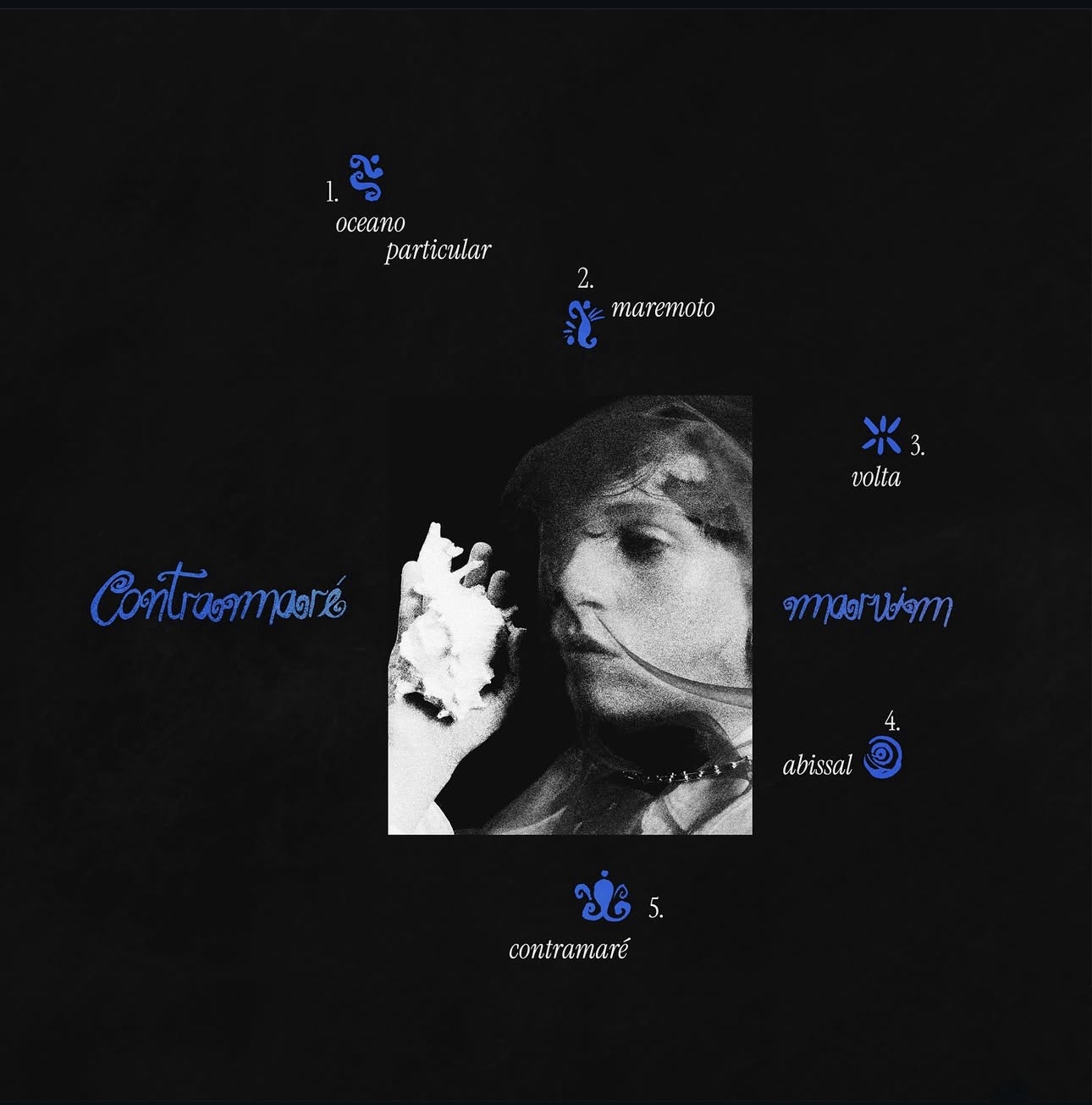
Diretamente do litoral paulista, Marvim lança seu novo EP, Contramaré, uma obra que transforma vulnerabilidade em força, caos em calmaria, dor em poesia. Com cinco faixas — Oceano Particular, Maremoto, Volta, Abissal e Contramaré — o artista constrói um universo electropop cheio de emoções introvertidas, reflexões existenciais e metáforas líquidas.
Entre ondas que quebram e correntes que puxam, Marvim nos leva a um mergulho profundo em sua própria história — uma história de cura, amor, resistência e autodescoberta.
Nós, da Divergent Beats, tivemos o privilégio de ouvir o EP em primeira mão e conversar com ele sobre esse processo de renascimento.
E foi assim que tudo aconteceu.
Entrevista com Marvin — “Contramaré”
- Marvim, eu queria começar de forma simples: como você está hoje? Como tem sido viver esse momento em que o EP finalmente está no mundo?
Marvim: É uma espiral de sentimentos! O processo de criar é desafiador… são muitas etapas até você alcançar o resultado que idealiza. Foram quase dois anos de jornada até conseguir consolidar as faixas desse projeto, mas apesar disso, o ciclo de CONTRAMARÉ está só começando.
- O nome do EP é “Contramaré”. Logo no título já existe uma ideia de resistência, de ir contra o fluxo. O que significa, pra você, nadar contramaré? É luta, sobrevivência ou autodescoberta?
Marvim: Eu diria que é um pouco de tudo isso: luta, sobrevivência e autodescoberta rsrs. Comecei a trabalhar nesse projeto num período muito desafiador da minha vida. Descobri um câncer raro em estágio avançado em 2023, e minha vida simplesmente parou. Eu precisei passar um tempo internado pra cuidar de mim. Na época, tudo o que eu pude levar comigo foi uma caderneta e um lápis, então começar a escrever foi algo natural naquele momento. Sempre fui muito intenso e me entreguei de cabeça aos meus projetos, mas ali precisei reavaliar tudo. Esse foi o pontapé inicial pra me entender como artista. Assim que saí da internação e iniciei o processo de quimioterapia, comecei a trabalhar nas músicas. Gosto de pensar que CONTRAMARÉ não é sobre descobrir algo novo sobre mim, mas sim reencontrar o que sempre esteve aqui, só esperando pra ser ouvido.
- Você vem do litoral paulista, e o mar parece estar em tudo — nas letras, na sonoridade, nas emoções. O que o mar representa no teu universo pessoal?
Marvim: O mar é a minha casa. Eu cresci muito perto dele… Meus pais dizem que aprendi a nadar antes mesmo de aprender a falar. Durante o meu tratamento, o mar também teve um papel importante, porque eu passei a frequentar mais as praias perto de casa. A maioria das músicas desse EP nasceram inclusive na beira do mar. É onde tudo se acalma, onde as coisas fazem sentido pra mim.
- Em Oceano Particular, você canta “vem me encontrar no meu oceano particular”. Quem é que consegue te encontrar lá dentro? E o que essa pessoa vê?
Marvim: Eu compus Oceano Particular como uma homenagem ao mar e aos amores que ele me trouxe. Acredito que, quando estamos apaixonados, é preciso estar disposto a mergulhar e a se entregar, pra então conhecer o íntimo daquela pessoa. Acho que quem decidir mergulhar por aqui vai encontrar um pouco de caos… e um pouco de tranquilidade também rsrs.
- Em Maremoto, você escreve “feito o maremoto, vou perdendo o controle, inundando o teu quarto”. Tem uma mistura de caos, desejo e entrega aí. O que significa pra você esse “perder o controle”?
Marvim: Eu sempre fui a pessoa certinha, sabe? A ideia de “perder o controle” vem de assumir riscos, de não ter medo de ser autêntico quando estou me relacionando e explorando minha sexualidade.

- Abissal traz o verso “sentimentos abissais encontrando os meus sinais”. É uma imagem muito visual. Esses “sinais” são um pedido de socorro ou uma tentativa de conexão?
Marvim: É uma tentativa de reconexão, totalmente. Abissal é o ponto alto, o núcleo de CONTRAMARÉ. O tratamento oncológico que me atravessou foi cheio de incertezas… é tudo um tiro no escuro até que seu corpo comece a reagir. A música nasceu dos questionamentos que eu me fazia nesse processo, sabe? O que resta de mim depois de ter perdido quase tudo? No fim, eu descobri muitas coisas sobre mim. Encontrei uma força que eu nem sabia que tinha naquele momento.
- Em Volta, você canta “quem é que eu era antes de você chegar e mudar tudo de lugar?”. Você acha que o amor transforma a gente ou só revela quem a gente sempre foi?
Marvim: Eu estou obcecado por um escritor chamado Khalil Gibran, e ele diz que “somente o amor e a morte mudam todas as coisas”. Tenho pensado muito nisso… Eu diria que o amor é a coisa mais poderosa que nós somos capazes de criar, e a partir disso, nós podemos transformar todas as coisas que quisermos.
- Contramaré, a faixa que fecha o EP, fala sobre reencontrar o tempo perdido: “quando a maré voltar, eu vou voltar pra mim.” Essa volta pra si mesmo já aconteceu… ou ainda está em processo?
Marvin: Acho que ela sempre vai estar acontecendo, porque faz parte da vida, né? A gente precisa nadar muito pra continuar se encontrando.
- Quando você começou a compor esse EP, você estava tentando curar algo, entender alguém, ou entender a si mesmo?
Marvim: Eu estava tentando fazer as pazes comigo mesmo. Me compreender, me acolher naquele momento delicado da minha vida e, ao mesmo tempo, me dar a chance de me conhecer de novo, de entender que caminhos eu queria trilhar dali pra frente.
- Há uma dualidade muito bonita no som — o electropop que traz leveza, mas com uma melancolia poética por baixo. Como você chegou nesse equilíbrio? Foi intencional ou algo que simplesmente aconteceu?
Marvim: Eu fui aquela criança queer fascinada por cultura pop desde muito cedo. Eu não queria só ouvir as letras, eu queria entrar no universo e pensar como as artistas que me criaram nesse mundo: Gaga, Björk, Fiona Apple… Todas elas têm essa forma muito peculiar de pensar a música pop e de se expressar. Eu queria isso no meu som, sabe? Esse contraste entre o que é vulnerável e o que é acessível e dançante.
- De todas as faixas, qual foi a mais difícil de escrever — aquela que te fez encarar uma parte de você que talvez você ainda não quisesse ver?
Marvim: Contramaré, sem dúvidas. Foi a primeira música que eu escrevi, logo que recebi alta do hospital. Lembro de ter escrito metade dela e guardado a letra durante todo o ano de 2024. Em fevereiro desse ano, no mês do meu aniversário, eu fiz um balanço de tudo que tinha vivido e aprendido… e a poesia começou a surgir naturalmente, até que finalizei a letra. Tenho muito orgulho de ter escrito essa música.
- Suas letras têm muitas imagens marítimas, quase cinematográficas. Quando você compõe, você pensa em imagens ou em sentimentos?
Marvim: Alguns artistas preferem pensar na imagem depois que o som já está pronto, mas pra mim o processo é totalmente sinestésico. Eu curto imaginar o som, a imagem e até os “sabores” que quero transmitir com as letras. Tudo acontece junto.
- Se “Contramaré” fosse um filme, qual seria a última cena?
Marvim: Seria um mergulho, daqueles que a gente dá quando o verão chega e a gente finalmente pode voltar a ir na praia.

- O mar é movimento constante — vai, volta, transforma. Você sente que esse EP fecha um ciclo ou abre um novo?
Marvim: Acho que ele faz as duas coisas. Fecha um ciclo de dor, de reconstrução, mas ao mesmo tempo abre um novo, mais calmo, mais dançante, mais leve. O mar é isso, né? Ele vai e volta, mas nunca é o mesmo. Acho que Contramaré é esse movimento dentro de mim.
- Quais artistas, brasileiros ou internacionais, te ajudaram a encontrar essa linguagem tão introspectiva e ao mesmo tempo tão pop?
Marvim: Eu diria que as principais influências do meu som estão na Björk de Vespertine e na Gaga de The Fame Monster. Mas tem muita brasilidade também, é claro. Minha mãe me criou ouvindo Marisa Monte e Adriana Calcanhotto, e as duas estão muito presentes na minha forma de compor. Oceano Particular é quase uma menção direta a Universo Particular, a música favorita da minha mãe. E a Adriana tem uma trilogia sobre o mar na discografia dela, que sempre me encantou também.
- E agora que “Contramaré” está pronto e no mundo — quando você escuta, o que sente? Paz, nostalgia, ou vontade de mergulhar de novo?
Marvim: Sinto um misto de paz e gratidão. É como revisitar um lugar que já foi muito doloroso, mas agora consigo enxergar beleza ali. Cada faixa é uma cicatriz que se transformou em paisagem. Cada vez que ouço essas músicas, eu me lembro do caminho até aqui. É como respirar fundo depois de muito tempo submerso. Dá vontade de mergulhar de novo, mas agora sem medo.
Contramaré é um EP magnífico.
Há um amor nítido entre o artista, o mar, o amor e a dor — uma comunhão entre corpo e correnteza. Cada faixa pulsa com sinceridade e poesia, e a cada nova audição, parece que o disco se renova: soa sempre fresco, sempre vivo, como se fosse a primeira vez.
Interview: Marvim dives into his own tides with “Contramaré”
Today is release day — and the ocean is celebrating.
Straight from the São Paulo coast, Marvim releases his new EP, Contramaré, a work that transforms vulnerability into strength, chaos into calm, pain into poetry. With five tracks — Oceano Particular, Maremoto, Volta, Abissal, and Contramaré — the artist creates an electropop universe full of introspective emotions, existential reflections, and fluid metaphors.
Amid crashing waves and pulling currents, Marvim invites us to dive deep into his own story — a story of healing, love, resilience, and self-discovery.
Here at Divergent Beats, we had the enormous privilege of listening to the EP ahead of its release and speaking with him about this process of rebirth.
And here’s how it all went.
Interview with Marvim — “Contramaré”
- Marvim, I’d like to start simply: how are you feeling today? What’s it been like to finally have your EP out in the world?
Marvim: It’s a whirlwind of feelings! The creative process is challenging… there are so many stages before you reach the result you envision. It took almost two years to consolidate the tracks for this project, but despite that, the CONTRAMARÉ cycle is only just beginning.
- The EP is called “Contramaré”. The title already conveys resistance, going against the flow. What does swimming against the tide mean to you? Is it struggle, survival, or self-discovery?
Marvim: I’d say it’s a bit of all three: struggle, survival, and self-discovery haha. I started this project during a very challenging period of my life. I was diagnosed with a rare advanced-stage cancer in 2023, and my life just stopped. I had to spend some time in hospital to take care of myself. At the time, all I could bring with me was a notebook and a pencil, so starting to write came naturally. I’ve always been intense and fully committed to my projects, but I had to re-evaluate everything then. That was the starting point for me to understand myself as an artist. As soon as I left the hospital and began chemotherapy, I started working on the songs. I like to think that CONTRAMARÉ isn’t about discovering something new about myself, but about rediscovering what’s always been here, just waiting to be heard.
- You’re from the São Paulo coast, and the sea seems present in everything — your lyrics, your sound, your emotions. What does the sea represent in your personal universe?
Marvim:The sea is my home. I grew up very close to it… My parents say I learned to swim before I learned to speak. During my treatment, the sea also played an important role, as I started spending more time at the beaches near home. Most of the songs on this EP were even born by the sea. It’s where everything calms down, where things make sense to me.
- In Oceano Particular, you sing “come find me in my private ocean”. Who can find you there? And what do they see?
Marvim: I composed Oceano Particular as a tribute to the sea and the loves it has brought me. I believe that when we’re in love, we need to be willing to dive in and give ourselves fully to truly know someone’s inner world. I think anyone who decides to dive here will find a little chaos… and a little calm too haha.
- In Maremoto, you write “like a tidal wave, I lose control, flooding your room”. There’s a mix of chaos, desire, and surrender here. What does “losing control” mean to you?
Marvim:I’ve always been the “well-behaved” person, you know? The idea of “losing control” comes from taking risks, from not being afraid to be authentic when I’m in relationships and exploring my sexuality.
- Abissal features the line “abysmal feelings meeting my signals”. It’s a very visual image. Are these “signals” a cry for help or an attempt to connect?
Marvim: It’s totally an attempt at reconnection. Abissal is the high point, the core of CONTRAMARÉ. The oncology treatment I went through was full of uncertainties… it’s all a shot in the dark until your body starts to respond. The song came from the questions I asked myself during that process, you know? What remains of me after having almost lost everything? In the end, I discovered many things about myself. I found a strength I didn’t even know I had at the time.
- In Volta, you sing “who was I before you came and moved everything around?”. Do you think love changes us, or just reveals who we’ve always been?
Marvim: I’m obsessed with a writer called Khalil Gibran, and he says that “only love and death change all things.” I’ve been thinking a lot about that… I’d say love is the most powerful thing we’re capable of creating, and from that, we can transform whatever we want.
- Contramaré, the track that closes the EP, talks about reclaiming lost time: “when the tide comes back, I’ll return to myself.” Has this return to yourself already happened… or is it still in progress?
Marvim: I think it’s always happening, because it’s part of life, right? We have to keep swimming to keep finding ourselves.
- When you started composing this EP, were you trying to heal something, understand someone, or understand yourself?
Marvim: I was trying to make peace with myself. To understand and embrace myself during that delicate moment in my life, and at the same time give myself the chance to rediscover who I am, to understand which paths I wanted to take from there on.
- There’s a beautiful duality in your sound — the electropop that brings lightness, but with a poetic melancholy underneath. How did you arrive at this balance? Was it intentional or did it happen naturally?
Marvim: I was that queer kid obsessed with pop culture from an early age. I didn’t just want to listen to lyrics, I wanted to enter the universe and think like the artists who shaped me: Gaga, Björk, Fiona Apple… They all have a very unique way of approaching pop music and expressing themselves. I wanted that in my sound — that contrast between vulnerability and accessibility, between introspection and danceability.
- Of all the tracks, which was the hardest to write — the one that made you confront a part of yourself you perhaps didn’t want to face?
Marvim: Contramaré, without a doubt. It was the first song I wrote, right after leaving the hospital. I remember writing half of it and keeping the lyrics all through 2024. In February this year, on my birthday month, I reflected on everything I had lived and learned… and the poetry began to emerge naturally until I completed the lyrics. I’m very proud to have written that song.
- Your lyrics have many maritime, almost cinematic images. When composing, do you think in images or feelings?
Marvim: Some artists prefer to think of the image after the sound is ready, but for me, the process is entirely synesthetic. I like to imagine the sound, the image, and even the “flavours” I want to convey with the lyrics. Everything happens together.
- If Contramaré were a film, what would be the last scene?
Marvin: It would be a dive — one of those we take when summer comes and we can finally go back to the beach.
- The sea is constant movement — it goes, it returns, it transforms. Do you feel this EP closes a cycle or opens a new one?
Marvim: I think it does both. It closes a cycle of pain and reconstruction, but at the same time opens a new one — calmer, more danceable, lighter. That’s the sea, right? It comes and goes, but it’s never the same. I think Contramaré is that movement within me.
- Which artists, Brazilian or international, helped you find this introspective yet pop language?
Marvim: I’d say my main influences are Björk’s Vespertine and Gaga’s The Fame Monster. But there’s a lot of Brazilian influence too, of course. My mom raised me listening to Marisa Monte and Adriana Calcanhotto, and both are very present in my composition style. Oceano Particular is almost a direct nod to Universo Particular, my mom’s favourite song. And Adriana has a trilogy about the sea in her discography, which has always fascinated me as well.
- Now that “Contramaré” is finished and out in the world — when you listen, what do you feel? Peace, nostalgia, or the urge to dive in again?
Marvim: I feel a mix of peace and gratitude. It’s like revisiting a place that was once very painful, but now I can see the beauty there. Each track is a scar turned into a landscape. Every time I listen to these songs, I remember the journey to get here. It’s like taking a deep breath after being submerged for a long time. It makes me want to dive in again, but now without fear.
Contramaré is a magnificent EP.
There’s a palpable love between the artist, the sea, love, and pain — a communion between body and current. Each track pulses with sincerity and poetry, and every listen feels fresh, alive, and like the first time.


Deixe uma resposta