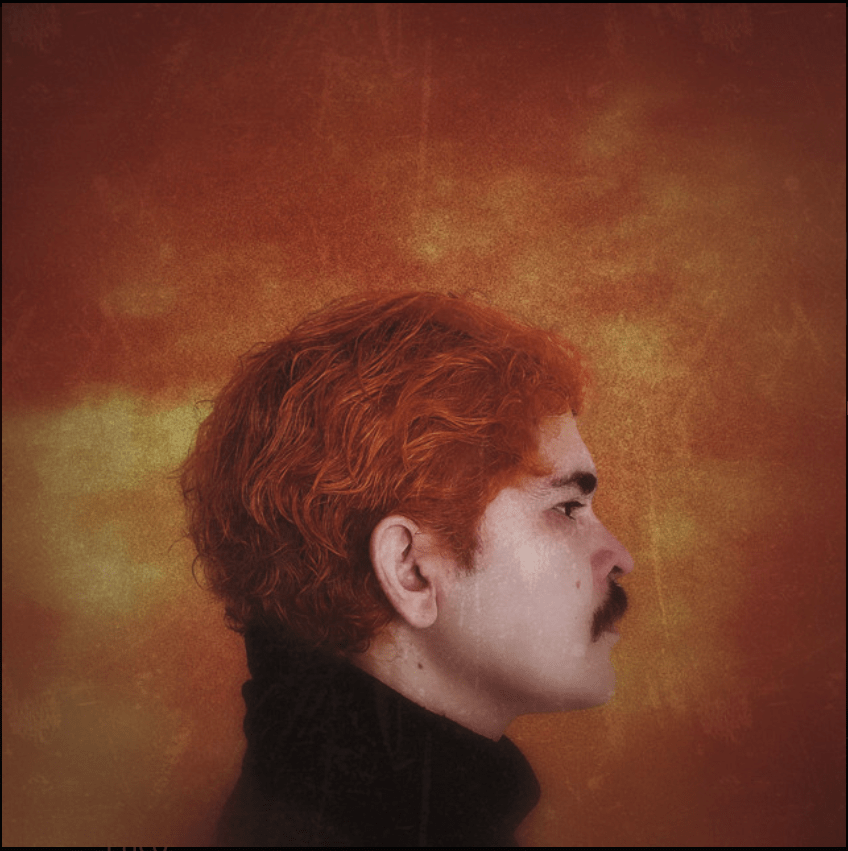
Em uma era em que a nostalgia virou combustível diário — aquela sensação de revisitar dias em que tudo parecia dreamy, suave e perfeito — surge Pablo Vermell com seu primeiro álbum completo, Futuro Presente. O disco chega para entregar justamente aquilo que estávamos precisando: um presente com cheiro de passado, embalado por melodias que soam como memória e por letras que falam de futuro.
Antes de chegar aqui, Vermell já vinha trilhando uma caminhada consistente. Desde 2020, quando lançou o single “Conciliar” em parceria com Lucas Gonçalves (Maglore), ele construiu um universo sonoro feito de EPs, colaborações internacionais (Tiê, YMA, MOGUE, a2ele) e uma estética marcada pelo soft rock dos anos 70, o britpop noventista e o indie contemporâneo. Essa soma de referências agora encontra seu ponto de maturidade em Futuro Presente, lançado em 14 de agosto de 2025.
Nós do Divergent Beats ouvimos e reouvimos o álbum. A sensação é clara: não é apenas uma coleção de canções bonitas. É um trabalho que respira nostalgia sem ser retrô demais, que olha para trás e para frente ao mesmo tempo. É um presente nostálgico que abre portas para um futuro que sonhamos.
Cada faixa tem o poder de parar o tempo. “Na Espera” e “Miopia” trazem aquele clima de contemplação suave, enquanto “Adeus É Para Os Fracos” (feat. Valiant Blues) ficou martelando na cabeça depois da primeira audição — uma daquelas colaborações que se sente feita sob medida. O single “Falar É Fácil Demais” também brilha com violões delicados e melancolia sincera.
É um daqueles discos perfeitos para um fim de tarde sob o sol, deitado na grama com um livro aberto que você para de ler várias vezes só para ouvir a melodia e deixar as palavras da música te atravessarem. Um álbum necessário no cenário musical atual: traz de volta a doçura da memória, acende as lights dos anos dourados e, de repente, lembra até o espírito rebelde-dreamy que Joan Jett espalhava nos anos 70.
Futuro Presente não é só música. É mood. É tempo suspenso. É o tipo de registro que fala com a Geração Z porque traduz em som aquilo que sentimos: saudade do presente em tempo real.
Ivan Jude Gorini
Futuro Presente: the nostalgia Gen Z didn’t know they needed
In an era where nostalgia has become our favorite survival kit — that urge to go back to days that felt dreamy, effortless, almost perfect — here comes Pablo Vermell with his first full-length album, Futuro Presente. And it gives us exactly what we needed: a present that already feels nostalgic, with melodies soaked in memory and lyrics that lean toward a dreamy future.
Before arriving here, Vermell had already built a steady path. Since 2020, with his debut single “Conciliar” featuring Lucas Gonçalves (Maglore), he’s been shaping a soundscape through EPs, international collabs (Tiê, YMA, MOGUE, a2ele) and a sonic palette that connects 70s soft rock, 90s britpop, and contemporary indie pop. All these references now converge into maturity on Futuro Presente, released on August 14, 2025.
We at Divergent Beats listened and re-listened. The feeling is obvious: this isn’t just a beautiful record. It’s one that breathes nostalgia without being just retro, a work that looks backwards and forwards at the same time. It’s a nostalgic present opening a door to the dreamy future we crave.
Every track has the power to freeze time. “Na Espera” and “Miopia” carry a soft contemplative vibe, while “Adeus É Para Os Fracos” (feat. Valiant Blues) got stuck in our minds since the very first spin — a collab that feels tailor-made. The single “Falar É Fácil Demais” also shines with delicate guitars and raw melancholy.
This is one of those records made for golden afternoons: sitting under a tree with a book you keep pausing just to let the songs’ melodies and words flow through you. It’s an album the current music scene desperately needed — something that revives the sweetness of memory, brings back the glowing lights, and even echoes the dreamy-rebel spirit Joan Jett spread in the 70s.
Futuro Presente is not just music. It’s a mood. A suspended time. A record that resonates with Gen Z because it translates in sound what we feel every day: longing for the present in real time.





 Divergent Beats
Leave a comment