
Luz Tropical: A Love Letter to Brazil, Thirty Years in the Making
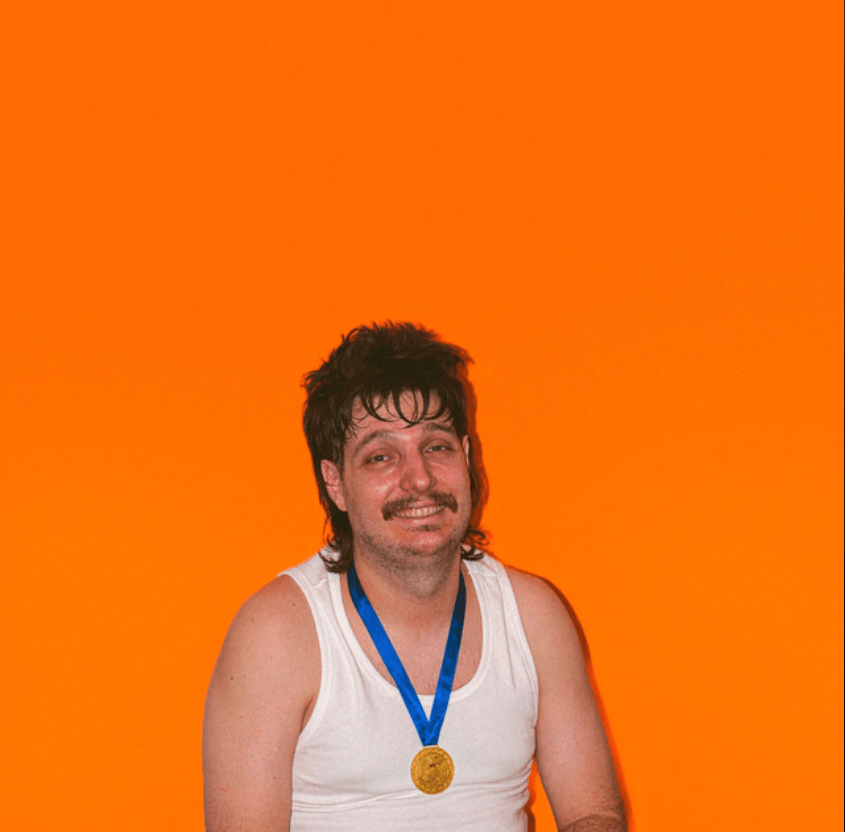
When Jude (Ivan) boarded a plane to Brazil after thirty years away from his homeland, he had no concrete plan—just a camera, a head full of emotions, and a deep need to reconnect with the place he once called home. What began as a spontaneous idea turned into Luz Tropical, a deeply personal short film that now resonates with countless immigrants, neurodivergents, and dreamers who long for a sense of belonging.
Pass: LUZTrop25!Z
“I had this idea of creating a documentary or a short movie as soon as I bought the ticket,” Jude (Ivan) says. “But for months, I didn’t know what exactly I was going to do. It was only once I was in Brazil, capturing the raw reality around me, that the vision of Luz Tropical started to crystallize—especially during a flight from São Paulo to Rio. That’s when I knew: this was it.”
Returning to Rio de Janeiro was an emotional rollercoaster. “It was emotional, difficult, exciting, and confusing,” he admits. “I felt at home immediately, even after 30 years. But while documenting, it was hard to stay present. I wanted to live those emotions fully, but I was also zooming out constantly, looking for the perfect frame, the right angle. It created a strange disconnection between feeling and filming.”

Yet something magical happened. As Jude (Ivan) wandered the streets of Rio, speaking with strangers, watching their movements, and listening to their laughter, a deep and unexpected feeling began to rise: belonging.
“I left Brazil when I was ten. My memories were fragmented. But walking through those streets, seeing how people talked and smiled—I felt something I hadn’t felt in 30 years living in Europe. I found my place on Earth.”
That emotional intensity came with a cost. “There were moments I was filming and crying at the same time,” Jude (Ivan) reveals. “Especially at places like Pão de Açúcar and Corcovado. My heart was exploding. You can even see my hands shaking in some of the footage. That was the emotion of returning after so long—of everything I had lived through bubbling to the surface.”
As someone living with Bipolar 1 and ADHD, Jude says his neurodivergence shaped both the vision and the emotional depth of the film.
“Nowadays, it’s much more balanced than it used to be in my 20s, but it still affects how I see and feel the world. Often I’d stop my team and say, ‘Give me the camera now.’ There was something I saw, something I felt, that I needed to capture in that moment.

Being neurodivergent gives you a different kind of sensitivity—not only in what you see but in how you express it. It reaches people, whether they’re neurodivergent or just going through something tough. Especially immigrants. We know what saudade feels like.”
While the visuals of Luz Tropical are stunning, it’s the narration that truly brings the viewer into Jude’s world. A gentle voiceover, intimate and poetic, plays over real sounds—street corners, café conversations, silence.
“There’s a rhythm to it,” he says. “It’s like you’re sitting at a bar, talking to someone about life. The pauses, the background sounds, they mirror the emotional pauses we take in life—the moments when we’re trying to breathe through something too big to name.”
One of the film’s most powerful scenes comes at the end, when Jude stands in Copacabana.
“I say, ‘In each corner, there is a smile, a battle, and a piece of me.’ That’s where I grew up, where I spent my childhood building sandcastles and riding the waves. That scene is packed with memory. It brought everything back.”
For Jude, Luz Tropical is more than a film. It’s a gift.
“A gift to Brazil, and a gift to all Brazilian immigrants living far from home. Sometimes we feel like we don’t belong anywhere. But I want them to know they’re not alone. And it’s okay to feel saudade. It’s part of who we are.”
The film is also an evolution of Jude’s creative project Divergent Beats, a platform created to amplify neurodivergent voices across culture, art, and society.
“When I created Divergent Beats, I wanted a space where our vision could be heard. With Luz Tropical, I took it one step further. It’s not just about writing or speaking—it’s about creating something that brings together all the parts of who I am: my roots, my brain, my heart, my lens. It connects everything I want to say as an artist.”
And with Luz Tropical, Jude (Ivan) has found a way to say it—raw, radiant, and real.
With all its emotional strength, Luz Tropical has been accepted to take part in the São Paulo International Short Film Festival – Kino Cineforum, an important recognition for a work created with such honesty and vulnerability.
You can watch the short movie here:
Portoguese:
Luz Tropical: Uma Carta de Amor ao Brasil, Trinta Anos Depois
Quando Jude (Ivan) embarcou em um voo para o Brasil após trinta anos longe de sua terra natal, não havia um plano concreto — apenas uma câmera, um turbilhão de emoções e uma necessidade profunda de se reconectar com o lugar onde nasceu. O que começou como uma ideia espontânea se transformou em Luz Tropical, um curta-metragem profundamente pessoal que agora ressoa com imigrantes, neurodivergentes e todos que sentem saudade de um lugar chamado lar.
“A ideia de criar um documentário ou um filme curto surgiu assim que comprei a passagem,” conta Jude (Ivan). “Mas durante meses eu não sabia exatamente o que faria. Só quando cheguei ao Brasil, capturando a realidade ao meu redor, é que a visão de Luz Tropical começou a ganhar forma — especialmente durante um voo de São Paulo para o Rio. Foi ali que eu soube: é isso.”
Voltar ao Rio de Janeiro foi uma montanha-russa emocional. “Foi emocionante, difícil, empolgante e confuso,” ele admite. “Me senti em casa imediatamente, mesmo depois de 30 anos. Mas enquanto documentava, era difícil estar presente. Queria viver as emoções intensamente, mas também estava focado em captar o melhor ângulo, o melhor momento. Isso criou uma desconexão entre sentir e filmar.”
Mas algo mágico aconteceu. Caminhando pelas ruas do Rio, conversando com estranhos, observando seus gestos e sorrisos, uma sensação inesperada surgiu: pertencimento.
“Saí do Brasil com 10 anos. Minhas memórias eram fragmentadas. Mas andando por aquelas ruas, vendo como as pessoas falavam, como se moviam, comecei a sentir algo que não sentia há 30 anos vivendo na Europa. Eu encontrei meu lugar no mundo.”
Essa intensidade emocional, porém, teve seu preço. “Teve momentos em que eu filmava chorando,” revela. “Especialmente em lugares como o Pão de Açúcar e o Corcovado. Meu coração parecia que ia explodir. Dá até pra ver minhas mãos tremendo em algumas cenas. Aquilo era pura emoção de voltar depois de tanto tempo — tudo o que eu tinha vivido vindo à tona.”
Vivendo com Transtorno Bipolar tipo 1 e TDAH, Jude diz que sua neurodivergência moldou tanto a visão quanto a sensibilidade do filme.
“Hoje em dia está mais equilibrado do que era nos meus 20 anos, mas ainda influencia totalmente a forma como eu vejo e sinto o mundo. Muitas vezes eu parava tudo e dizia: ‘Me dá a câmera agora.’ Era algo que eu via, que eu sentia, que precisava ser registrado naquele instante. Ser neurodivergente traz uma sensibilidade diferente — não só no que você vê, mas na forma como você se expressa. Isso toca as pessoas, sejam elas neurodivergentes ou não. Principalmente imigrantes. A gente sabe o que é saudade.”
Embora as imagens de Luz Tropical sejam impressionantes, é a narração que realmente conecta o espectador ao mundo de Jude (Ivan). Uma voz suave, íntima e poética, se mistura aos sons reais — conversas na rua, barulhos de fundo, silêncios.
“Tem um ritmo ali,” diz ele. “É como se você estivesse sentado num bar, conversando sobre a vida. As pausas, os sons do fundo, representam esses momentos em que a gente respira fundo pra tentar entender o que está sentindo. Eles ajudam a encontrar as palavras certas.”
Uma das cenas mais marcantes do filme está no final, quando Jude aparece em Copacabana.
“Eu digo: ‘Em cada esquina, há um sorriso, uma batalha e um pedaço de mim.’ Foi ali que cresci, onde passei minha infância até os 10 anos — construindo castelos de areia, pegando onda. Aquela cena é muito emocional, traz muitas lembranças da criança que fui.”
Para Jude, Luz Tropical é mais do que um filme. É um presente.
“Um presente pro Brasil, mas também pra todos os imigrantes brasileiros que vivem fora e, às vezes, não se sentem parte de nada. Quero que eles saibam que não estão sozinhos. E que sentir saudade é normal. É parte da gente.”
O filme também representa uma nova fase do projeto criativo de Jude (Ivan), o Divergent Beats, uma plataforma criada para dar voz a artistas neurodivergentes.
“Quando criei o Divergent Beats, queria um espaço onde nossa visão fosse ouvida. Com Luz Tropical, dei um passo além. Não é só sobre escrever ou falar — é sobre criar algo que junta todas as partes de quem eu sou: minhas raízes, meu cérebro, meu coração, meu olhar. É a conexão de tudo que quero dizer como artista.”
Com toda sua força emocional, Luz Tropical foi aceito para participar do São Paulo International Short Film Festival – Kino Cineforum, um reconhecimento importante para uma obra feita com tanta verdade e vulnerabilidade.
E com Luz Tropical, Jude conseguiu dizer — de forma crua, radiante e real.



 Divergent Beats
Leave a comment